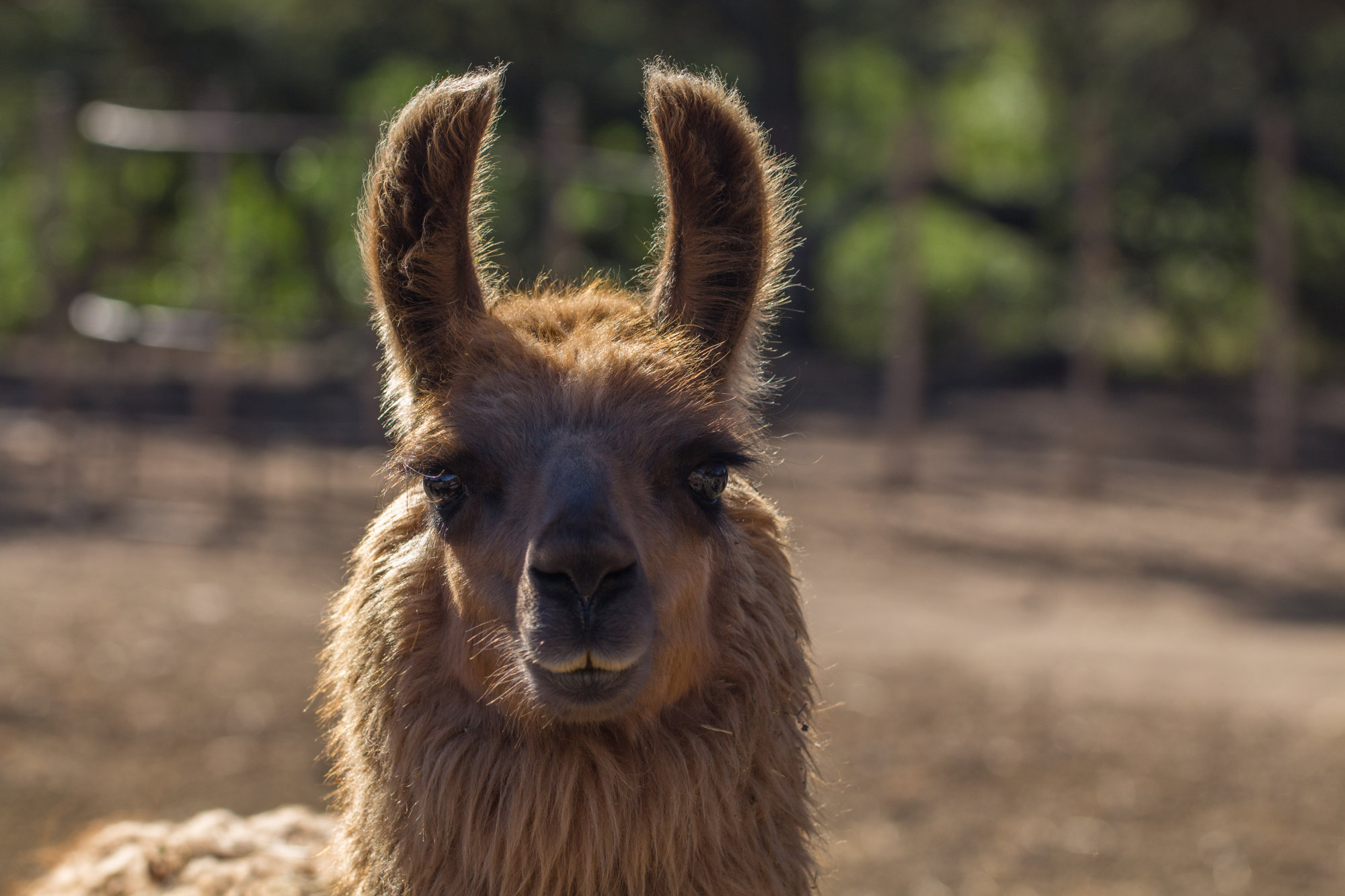
What is Animal Assisted Therapy?
Animal Assisted Therapy is facilitated and/or structured interactions and interventions between animals and humans. The International Association of Human-Animal Interaction Organizations (IAHAIO) defines animal-assisted interventions (AAIs) as “a goal-oriented and structured intervention that intentionally includes or incorporates animals in health, education, and human services (e.g., social work) for the purpose of therapeutic gains in humans”.
Psychology Today defines Animal Assisted Therapy as: “Animal-assisted therapy is a therapeutic intervention that incorporates animals, such as horses, dogs, cats, pigs, and birds, into the treatment plan. It is used to enhance and complement the benefits of traditional therapy.”
For some Equine Assisted Services is included under the Animal Assisted umbrella, however, the Register recognises equine activities separately, although other equids (such as Donkeys) are considered under the Register within the animal definition.
The foundations of Animal Assisted Therapy are based on the bond that can develop between people and animals, and as in so doing facilitating feelings of calmness and personal safety. This relationship might refocus a service-user/client away from difficult or challenging circumstances or situations, providing moments and associated feelings of lighter mood or pleasure.
These relationships provide an opportunity to be present and feel present with and acknowledged by another being. In this way it can provide a safe space to support human social needs and combat loneliness and boost social support, both with the animals and the handlers and facilitators involved. These activities foster communication, connection, self-confidence and self-efficacy.
Animal Assisted Therapists or Psychotherapists
Animal Assisted Therapists are health care professionals or practitioners that work with animal interactions or interventions to help provide mental and physical health support to clients and service users.
Animal Assisted Therapists are firstly professionals with recognised counselling, therapeutic or psychotherapeutic qualifications who with additional further education and training have
credentials that support the engagement of animals in the provision of emotional and personal learning and development, therapy and rehabilitation.
Register Membership and the Practice of Animal Assisted Therapy
Registration with the Accredited Practitioner Register (PSA) as an Animal Assisted Therapist/Psychotherapist is subject to the defined general conditions of application and the practices outlined above (see Registration Policy).
Practice under these roles are strictly limited to practitioners who have applied for, and been
confirmed, in this/these practice(s).
Where appropriate, and for dogs without exception, additional proof must be provided to support the training of all animals who are to be engaged in the service.
Existing membership of the Register under another role (Equine or Horticulture) does not
automatically provide registration under the Register of animal assisted practice(s).
Those wishing to practice Occupational Therapy (and any other Allied Health Care related
services) under an Animal Assisted registration must be appropriately qualified in that field and confirm current and ongoing membership of HCPC (Health and Care Professions Council).